Greenhouse gas emissions stories

Cloud migration helped NiCE cut Scope 1 and Scope 2 emissions by 23%, while it kept 14% of revenue flowing into research and development.
Tighter queue rules could speed grid access for legitimate projects, but risk pushing more data centre operators towards pricier off-grid power.
The mill could cut its carbon emissions by nearly half as the new electric arc furnace starts turning recycled scrap into steel.
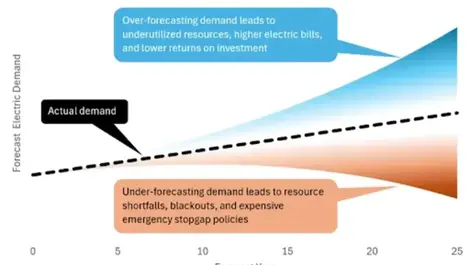
Miscalculating AI-driven power demand could leave ratepayers funding stranded assets or, worse, expose households to blackouts and higher bills.
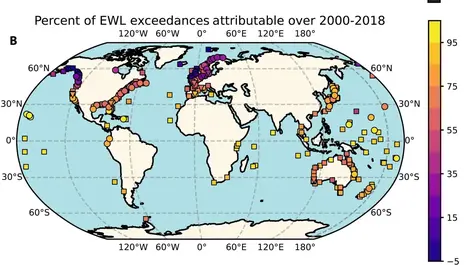
Nearly half of the shorelines studied now see floods that once struck annually only every century, as greenhouse gases reshape coastal risk.
A Christchurch logistics hub will keep climate-damaging refrigerant out of landfill, cutting emissions and easing supply pressures for heat pump owners.
Accelerating heat pump adoption could save households GBP £1.5 billion a year and free up gas for industry as supplies dwindle.
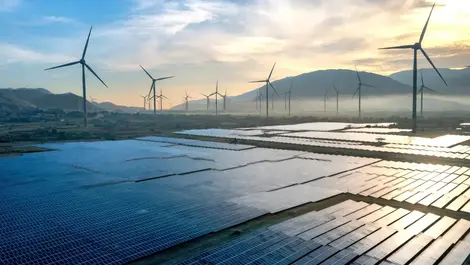
Cleaner power covered all new demand in early 2025, with solar and wind overtaking coal and halting growth in power-sector emissions.
Rail’s economic case is growing, but deferred upgrades and an ageing workforce threaten reliable services and future freight gains.
Australia's waste system is inefficient, but upcycling using advanced hydrogen technology could cut costs, emissions and power a cleaner transport network.
Farmers and other sectors face tougher cuts after Wellington scaled back methane targets, drawing criticism over a weaker path to 1.5°C.
New Zealand businesses are ramping up energy-transition spending, but many still lack net zero plans and public emissions reporting.
A global review of 1,700 studies warns pesticides harm hundreds of non-target species and could deepen biodiversity loss, even at approved doses.
Only 30% of manufacturers have scaled Industry 4.0 beyond pilots, leaving billions in value on the table as AI and automation spread.
Reduced livestock numbers and wetter weather helped drive a 2 per cent fall in New Zealand’s gross greenhouse gas emissions in 2023.
The electric pair could cut about 150 tonnes of CO2 a year while hauling asphalt on short urban runs, with safety gains too.
EVs are linked to higher CO2 output in 26 countries, with the researchers saying only grids powered by far more renewables will cut emissions.
A skilled labour crunch, weak investment and slow policy change are set to keep Aotearoa New Zealand’s construction sector under strain in 2025.
Shifting to circular models could help New Zealand and Australia close emissions gaps, cut waste and create jobs in infrastructure and construction.
Consumers could face higher power bills unless the Commerce Commission starts backing energy efficiency, Ecobulb says.