Greenhouse gas emissions stories
Farmers and other sectors face tougher cuts after Wellington scaled back methane targets, drawing criticism over a weaker path to 1.5°C.
New Zealand businesses are ramping up energy-transition spending, but many still lack net zero plans and public emissions reporting.
A global review of 1,700 studies warns pesticides harm hundreds of non-target species and could deepen biodiversity loss, even at approved doses.
Only 30% of manufacturers have scaled Industry 4.0 beyond pilots, leaving billions in value on the table as AI and automation spread.
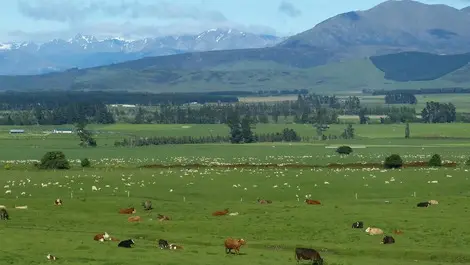
Reduced livestock numbers and wetter weather helped drive a 2 per cent fall in New Zealand’s gross greenhouse gas emissions in 2023.
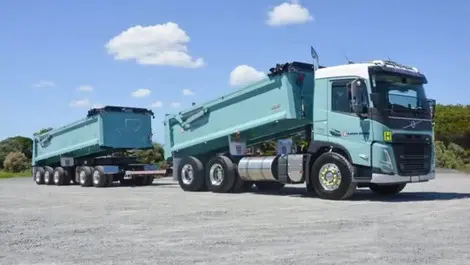
The electric pair could cut about 150 tonnes of CO2 a year while hauling asphalt on short urban runs, with safety gains too.
EVs are linked to higher CO2 output in 26 countries, with the researchers saying only grids powered by far more renewables will cut emissions.
A skilled labour crunch, weak investment and slow policy change are set to keep Aotearoa New Zealand’s construction sector under strain in 2025.
Shifting to circular models could help New Zealand and Australia close emissions gaps, cut waste and create jobs in infrastructure and construction.
Consumers could face higher power bills unless the Commerce Commission starts backing energy efficiency, Ecobulb says.
Patronage is rising and subsidy dependence is easing, bolstering the case for keeping the Auckland-Hamilton service running beyond its trial.
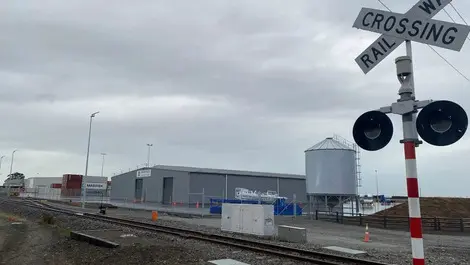
The hub is expected to take 40,000 truck movements a year off Mid Canterbury roads and cut freight emissions by 70%.
New research says tighter oversight of five sectors could make New Zealand’s emissions scheme cut pollution faster without slowing growth.
Support is growing for a proposed GBP £570 million Kaipara incinerator that could burn Auckland and Northland rubbish and power 165,000 homes by 2028.
A sponge-based study suggests Earth may already have passed 1.5 °C of warming, raising the risk of breaching 2 °C within years.
A new global standard could give builders and lenders a common way to compare a building’s whole-life greenhouse gas emissions.
Rail freight between New Zealand's islands faces fresh strain after the Government scrapped the Interisland Project IREX, alarming exporters and ports.
Record fossil fuel output is pushing the planet closer to 1.5°C, with 2023 emissions projected to hit 36.8 billion tonnes.
A UN University report warns that water, food, heat and insurance systems are nearing tipping points that could trigger collapse.
Without more public transport and safer active travel, higher fuel prices risk pricing more Kiwis out of everyday trips.