

Gradiant wins data centre water treatment deal
Tue, 7th Apr 2026.webp)
Gradiant has won a contract to build a water treatment facility for a hyperscale data centre in Oxfordshire, being developed for a major AI and cloud infrastructure provider.
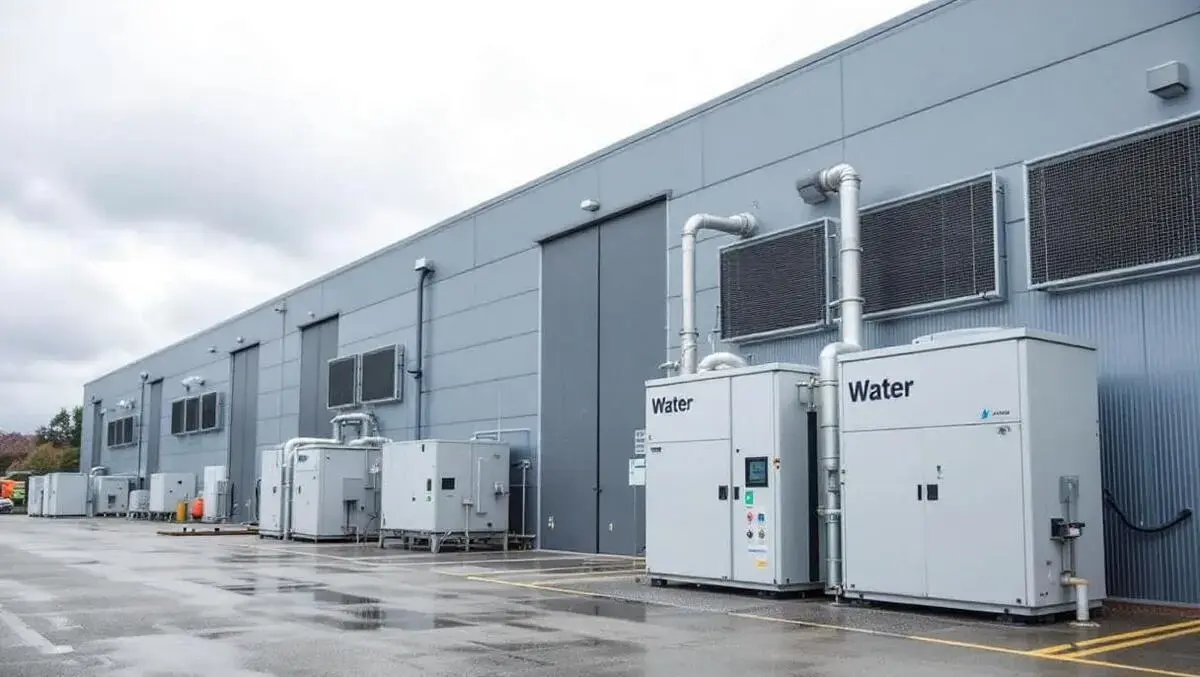
The facility will be built on the site of a former power station and will provide treatment, recycling and zero liquid discharge for the data centre. Under this approach, incoming water is treated and reused for cooling, while wastewater is retained on site rather than discharged.
The project highlights a growing challenge for data centre operators as demand for AI computing drives a new wave of construction. While electricity supply and planning consent often dominate discussion around new sites, water availability is becoming a practical constraint in some locations, particularly where operators face scrutiny over freshwater use and wastewater disposal.
One of several UK locations where industrial land is being repurposed for digital infrastructure. The reuse of former power generation sites reflects a broader brownfield development trend, as operators seek locations with existing utility links and space for large-scale facilities.
For Gradiant, the contract also marks a move beyond supplying individual treatment systems to taking responsibility for water management across an entire site. It will act as a single partner for water performance at the facility, covering treatment, reuse and discharge management.
That model is likely to appeal to data centre operators facing increasingly complex local regulation and community concerns about environmental impact. Advanced treatment systems such as zero liquid discharge are also becoming more prominent as developers try to reduce freshwater demand and limit the impact of operations on local water networks.
Gradiant says its zero liquid discharge technology can reuse up to 99% of process water on site. In practice, that can reduce the volume of freshwater needed for cooling while limiting releases into the surrounding environment.
The Boston-headquartered company focuses on water and wastewater treatment in sectors including semiconductors, pharmaceuticals, food and beverage, lithium, critical minerals and renewable energy. It employs more than 1,400 people worldwide.
Water constraint
The contract comes as the industry grapples with the physical footprint of AI-related infrastructure. Hyperscale data centres require large volumes of water in many cooling configurations, and that demand has drawn greater attention from regulators, local authorities and nearby communities, especially in regions already under pressure from population growth and climate-related water stress.
Operators have responded in different ways, including redesigning cooling systems, increasing water reuse and shifting development to areas with stronger utility resilience. Integrated treatment and recycling systems can help sites operate with less dependence on external water supplies, though they add cost and engineering complexity.
In the UK, the issue is becoming more relevant as international technology groups expand computing infrastructure to support cloud services and AI workloads. That expansion is increasing demand not only for grid capacity and land, but also for sustainable water strategies that can withstand regulatory review.
Philipp Sausele, Managing Director of Gradiant Europe, said the company would combine local knowledge with technology deployed elsewhere. "This project reflects how we combine deep regional expertise with Gradiant's global technology platform to deliver critical infrastructure with confidence," he said.
"Our teams understand the local regulatory, environmental and operational landscape, while leveraging proven solutions deployed worldwide. That balance of global strength and local focus is what enables us to execute reliably at scale."
Chief Executive Prakash Govindan linked the project to broader growth in AI infrastructure and the pressure it places on utilities. "AI is driving one of the largest infrastructure buildouts in history, and water is quickly becoming the limiting factor," he said.
"At Gradiant, we are building the water backbone for the next generation of industry. This project reflects our strategy to partner with leading infrastructure players to deliver resilient, sustainable solutions where reliability is non-negotiable."