

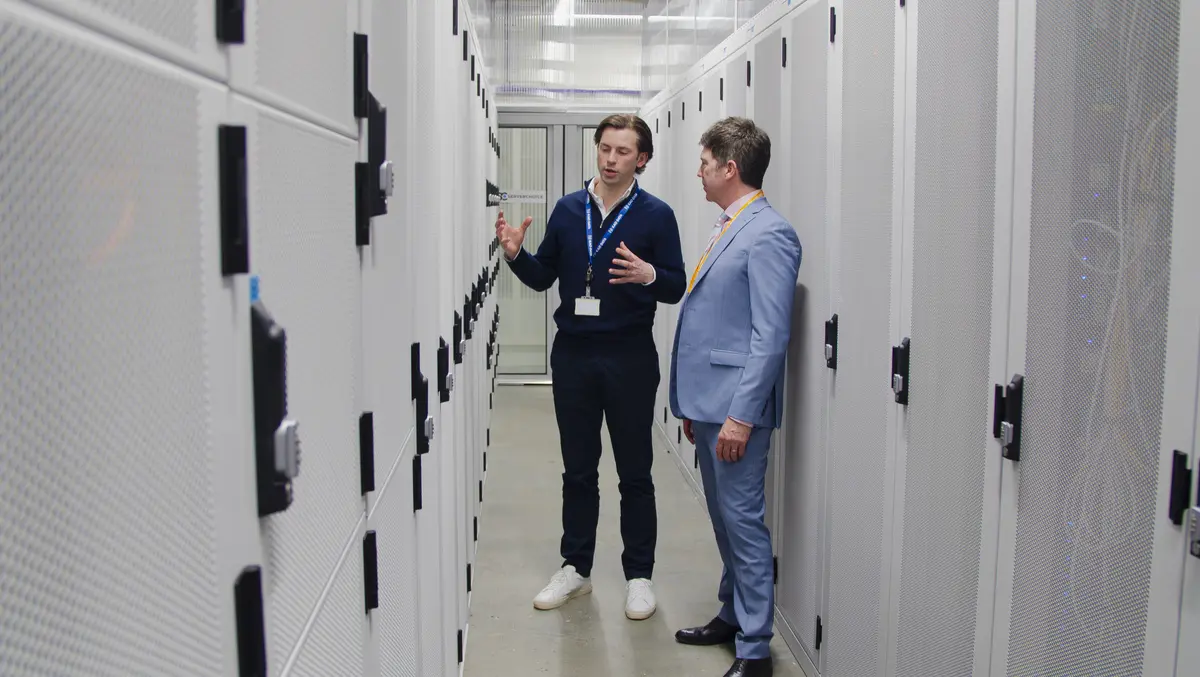

Shell Energy has renewed its renewable electricity supply agreement with Kao Data, extending a relationship that began in 2022.
Under the deal, Shell Energy will continue to supply the data centre operator with electricity matched to generation from UK-based renewable assets. Since the partnership began, it has supplied Kao Data with about 140 gigawatt hours of electricity a year.
That supply has included output from Dogger Bank, the offshore wind project under construction in UK waters. Shell Energy Europe offtakes about 20% of the project's total output, the companies said.
Kao Data operates data centres designed for artificial intelligence and advanced computing workloads. The renewed arrangement links a growing UK data centre business with a power retailer seeking to expand its role in supplying electricity to energy-intensive digital infrastructure.
Energy demand
Data centres have come under growing scrutiny over electricity consumption as demand rises from AI training and other compute-heavy services. The sector is also under pressure to show how it will limit emissions tied to that growth.
Under the deal, Kao Data's electricity demand will continue to be matched with certified renewable generation from UK sources. The company has also set a target to become carbon-neutral by 2030.
Beyond electricity sourcing, the operator said its facilities use direct-to-chip liquid cooling technology for AI and advanced computing systems. It also said it was the first in Europe to switch its backup power systems to hydrogenated vegetable oil fuel, which can reduce lifecycle emissions by up to 90% compared with diesel.
Kao Data's portfolio includes more than 237MW of IT load that is operational, under development, or planned. Its sites are located east and west of London, with a further large-scale facility planned in Greater Manchester.
Long relationship
The latest agreement builds on what both companies described as a long-standing commercial relationship. It also reflects a wider trend of data centre operators seeking more direct links to renewable electricity supply as they respond to customer and investor scrutiny over energy use.
For Shell Energy, the arrangement adds to its UK business supply activities. The company sells energy products and services to commercial customers and has increasingly focused on businesses trying to manage energy costs while cutting emissions.
James Lewis outlined the rationale for extending the agreement.
"At Kao Data, sustainability is embedded in everything we do and developing strategic relationships remains critical to help us achieve our goals," said James Lewis, Investment Director, Kao Data. "Our collaboration with Shell Energy has been instrumental in shaping our long-term energy management and decarbonisation strategy. Extending this relationship enables our customers' electricity demand to be matched with certified renewable generation from UK-based sources, reinforcing our commitment to become carbon-neutral by 2030."
Greg Kavanagh said the companies had worked closely together for several years.
"Shell Energy is delighted to strengthen our collaboration with Kao Data," said Greg Kavanagh, Head of Industrial & Commercial Sales, Shell Energy. "Our long-standing relationship reflects the alignment between our teams and a shared focus on innovation and sustainability. By supplying electricity backed by asset-specific renewable certificates, we're supporting Kao Data's pioneering AI infrastructure and its broader efforts to reduce emissions and progress towards net-zero emissions. Together, we're helping to set a benchmark for how energy and technology companies can enable a low-carbon digital future."
The agreement highlights how electricity procurement is becoming a central commercial issue for UK data centres as operators add capacity for AI and advanced computing while trying to limit the emissions linked to that expansion.