Waste Management stories
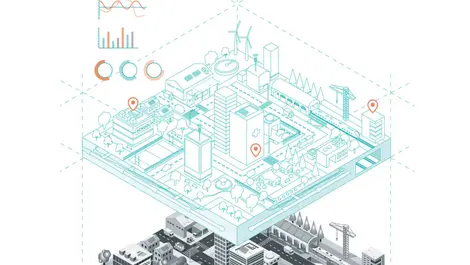
ISB Global is deepening its partnership with German resource planning software company SAP as it looks to transform waste management digitally.
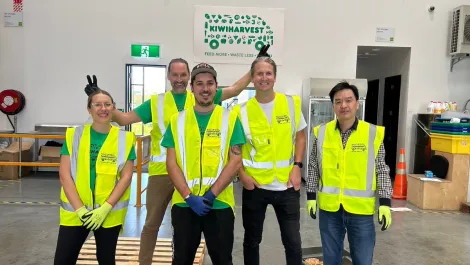
CMC Markets has entered a three-year partnership with KiwiHarvest to support its mission of addressing Aotearoa's pressing hunger and food waste crises.
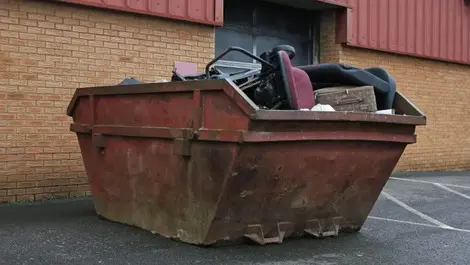
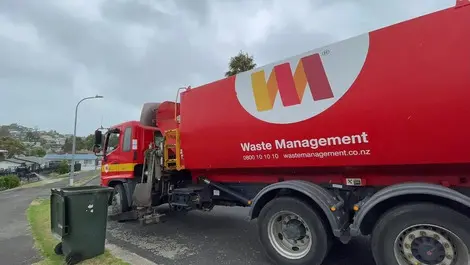
A Tauranga skip-bin firm has been fined NZD $250,000 after a new worker was crushed and left with life-changing brain injuries.
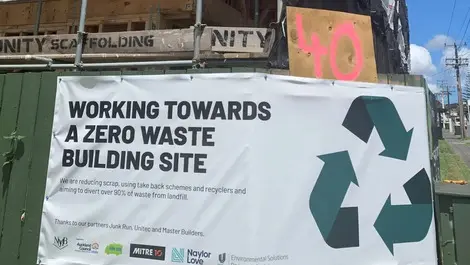
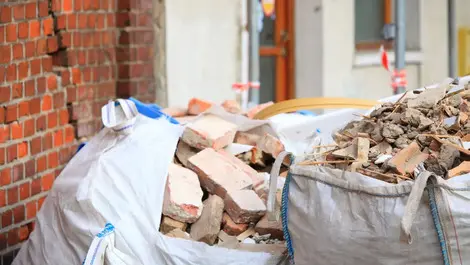
An Auckland build has diverted 91% of debris from landfill, showing builders can cut waste sharply with sorting and recycling.
Wellington’s climate strategy has put it among 280 cities worldwide shortlisted by WWF, with results due later in July.
Businesses using landfill sites face higher disposal bills from 1 July as New Zealand widens its waste levy and reporting rules.
A judge has called the site a fatal gas chamber after a worker died from hydrogen sulphide exposure, and the firm was fined and ordered to pay reparations.
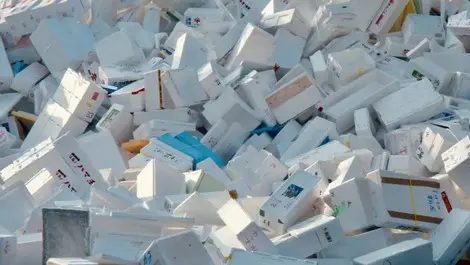
Contaminated waste has long made the plastic hard to handle, but new chemical recycling plants are turning post-use polystyrene back into feedstock.
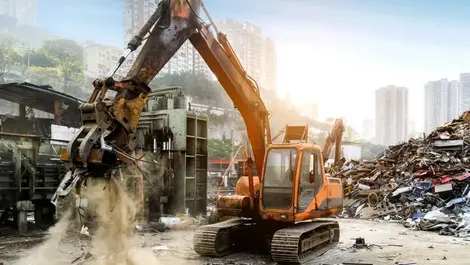
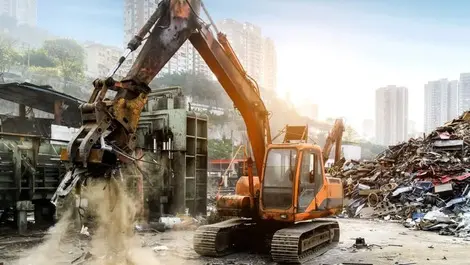
Recycling rates could rise as new sorting and shredding systems help construction waste avoid landfill and recover more valuable materials.
Construction waste is harder to recycle than most rubbish because asbestos and other pollutants must be stripped out first.
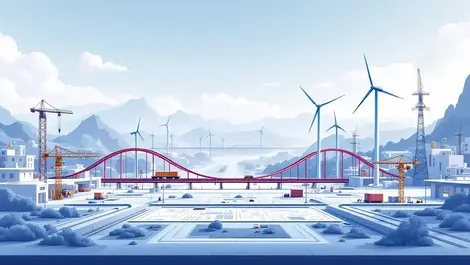
Local and central government backing will decide whether New Zealand's 30-year infrastructure strategy turns recommendations into real projects.
Nintex solutions have had a significant impact on Waste Management New Zealand's operations, with nearly 50 processes transformed.
Plastic pollution in rivers, oceans and wastewater systems could finally face tougher global rules after nearly 200 countries backed a UN treaty.
Builders face stricter site controls, from masked public interactions to work bubbles and tracing records, as New Zealand shifts to Red.
Industry leaders say the draft 30-year plan could give New Zealand clearer funding, planning and delivery for vital infrastructure.
Food makers could cut energy use and recycling headaches with a one-step natural coating made from wood waste or shrimp shells.
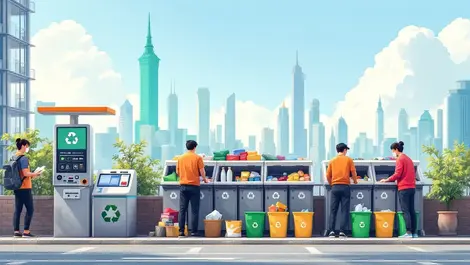
Facial recognition and reward points are being trialled to lift China’s recycling rate as waste volumes outpace the US by 2030.
Waste from cartons and soft plastics will soon be turned into low-carbon building boards in New Zealand, diverting 4,000 tonnes from landfill a year.
Poorer collaboration is slowing projects, but digitisation, prefab and greener materials are reshaping New Zealand and Australia’s building sector.
Regular reminders can cut preventable injuries in manufacturing, from machine guards and PPE to fire drills and fall protection.