Green IT stories
Older facilities may struggle as hotter summers, floods and grid strain threaten UK data centre uptime for essential services.
The tie-up gives customers a way to spread storage across clouds while keeping sensitive data within UK jurisdiction for compliance and continuity.
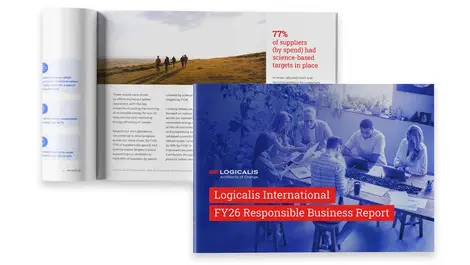
Scope 1 and 2 emissions fell 34% from Logicalis's FY22 baseline, while renewable electricity use rose and supplier climate pledges advanced.
The open-source model is helping engineers compare digital designs before build-out, and in one Schneider Electric case it cut emissions by more than 40%.
Small businesses facing slower backups and camera feeds can add 10G capacity and PoE++ power without replacing their entire network.
The software group says tighter AI oversight and cloud controls cut costs, as regulators and customers demand more accountability from tech suppliers.
Spain's weather forecasts will be backed by faster computing and lower energy use as AEMET upgrades systems under a four-year deal.
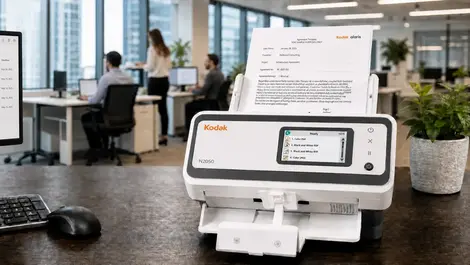
Distributed offices can now standardise document capture with scanners that protect records, reduce rework and support audits across multiple sites.
By 2027, AI expansion is set to drive up power and water costs, while forcing tougher rules on data centre building and funding.
Validation by the Science Based Targets initiative adds credibility as data-centre power demand and cooling costs face closer scrutiny from buyers.
Data centre operators could cut energy use and rack space as Fujitsu's new 2nm chip targets AI inference with air cooling.
Most firms are underprepared for AI as storage demands rise, with data quality and infrastructure now overtaking compute as the main bottlenecks.
Australian firms could cut server counts and energy use sharply as AI workloads push data centres to prioritise density over expansion.
More than 1,000 discarded devices were diverted from landfill as the company expanded donations to community groups and digital inclusion projects.
Poor data housekeeping is adding cost, risk and delays to RISE with SAP projects, with some firms losing over EUR 100,000 a month.
Governments building sovereign AI systems could cut flash spending sharply as StorONE's tiering software is added to Wand AI's ecosystem.
A fifth of organisations are already using money recovered from old kit to help pay for AI, as tighter budgets and greener goals reshape tech spending.
The new models are 11% thinner and up to 16% lighter, giving small firms portable work PCs with basic security and broader port options.
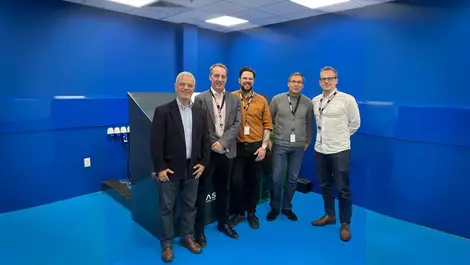
Businesses can now test LG's commercial displays and software in Singapore before committing to wider roll-outs across Asia.
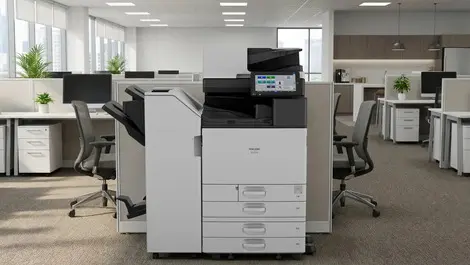
Businesses can cut training and security risks as the new monochrome range matches Ricoh colour fleets and offers faster scanning and lower running costs.