Decarbonisation stories
The decarbonisation tech market is set to surge from $1.45tn in 2022 to $4.09tn in 2032, aiming to reduce global emissions and achieve net-zero by 2050.
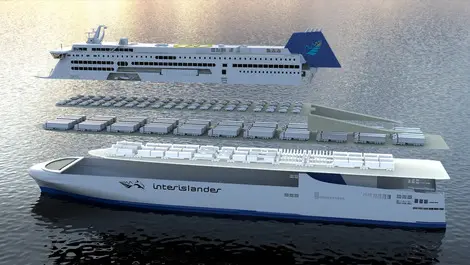
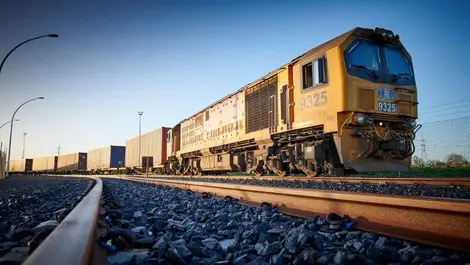
Rail freight between New Zealand's islands faces fresh strain after the Government scrapped the Interisland Project IREX, alarming exporters and ports.
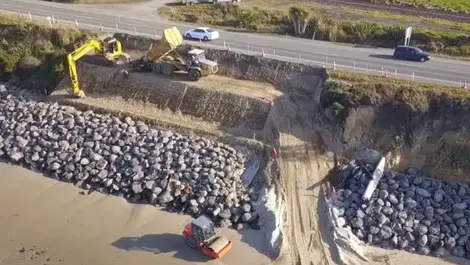
Cities are moving to protect residents and assets as heatwaves, floods and storms intensify, with four in five now facing climate hazards.
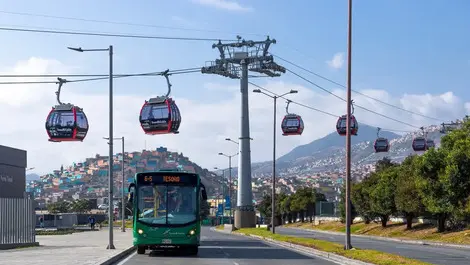
Passengers on some Auckland and Wellington routes could save up to 29 minutes if New Zealand’s first urban cable cars win backing.
Scientists say the remaining carbon budget for a 1.5°C warming limit could run out within six years at current emissions levels.
Brake's annual awards in Auckland have honoured firms and individuals cutting crashes and emissions from work vehicles across Australasia.
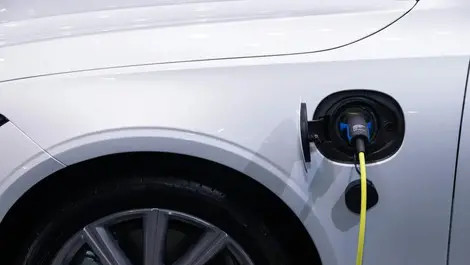
Stockholm will bar petrol and diesel cars from its centre from late 2024, raising air-quality hopes but prompting grid and charging worries.
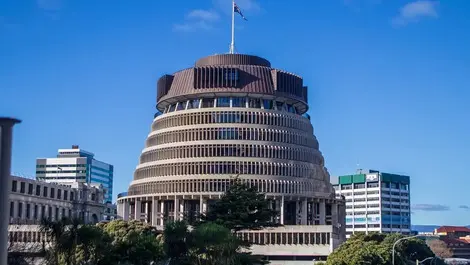
New Zealand’s infrastructure sector is urging the incoming Government to speed up investment, reform planning and tap private capital.
Infrastructure groups warn uncertainty is deterring investment, slowing digital upgrades and leaving New Zealand exposed to worsening climate shocks.
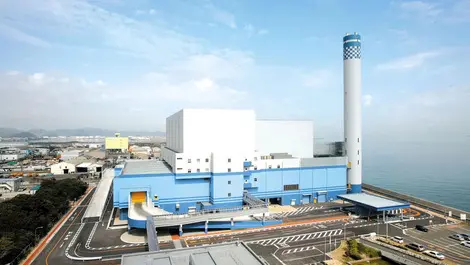
Japan’s strict landfill rules and dense cities have made gasification viable, while similar waste-to-energy schemes remain rare elsewhere.
In civil construction, the concept hinges on system boundaries, with finite resources, waste and carbon shaping whether projects can endure.
The new Hamilton facility could cut cargo costs by up to 30% and shift Upper North Island freight off roads and onto rail.
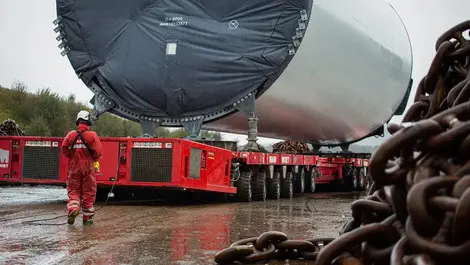
Retrofitting heavy hauliers to run on electricity could cut noise and emissions on bridge, wind and power projects worldwide.
Civil contractors warn the next emissions plan could slow vital infrastructure delivery unless it backs proven low-carbon options and recycling.
Most stranded fossil fuel losses would hit the richest households, while governments could cheaply shield lower-income savers in affluent countries.
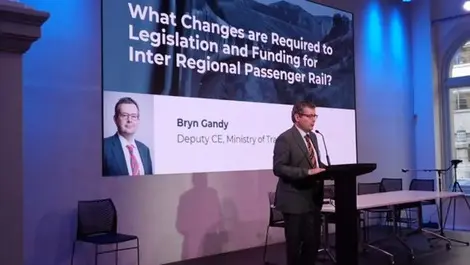
Passenger rail could cut emissions and widen access, but chronic underinvestment and patchy national coordination still hold New Zealand back.
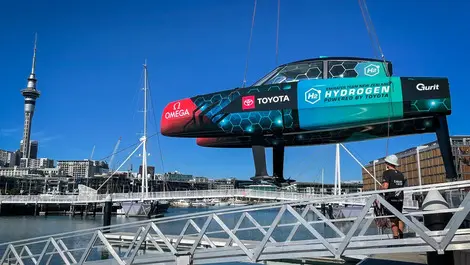
The new schemes have already cut tonnes of CO2 in Auckland and are set to widen Toyota NZ's decarbonisation push beyond cars.
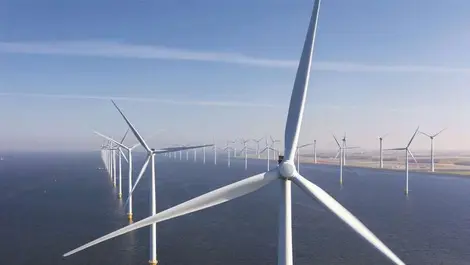
Offshore wind could help bridge Australia’s huge clean-power gap, with grid demand set to double by 2050 under net zero plans.
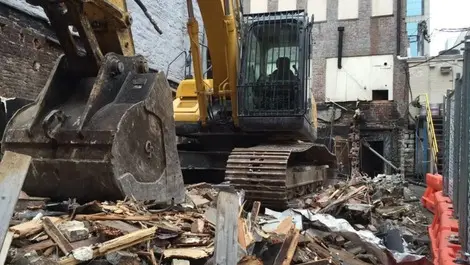
Older industrial stock is being bulldozed as occupiers demand taller, greener warehouses closer to customers, JLL says.
Policy change, fuel resilience and green power projects are set to dominate infrastructure again as reform timelines tighten in 2023.