Enterprises risk wasting billions unless data centres are redesigned for real-time AI requests, not just model training, analysts warn.
Rising AI demand is forcing data centres to redesign power systems for faster load swings, tighter efficiency and near-perfect uptime.
For CIOs, the real issue is whether a cloud service can be shown to resist foreign leverage over data, control and replacement choices.
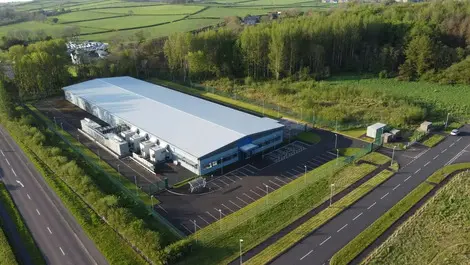
A Scottish facility shows operators can cut water use to near zero while still supporting AI workloads and high rack densities.
Racks are already pushing 50-100kW, forcing operators to redesign cooling, power and build methods for AI workloads.
Traditional data centre designs are being overtaken as AI clusters push rack loads to 50-100kW and demand liquid cooling, faster builds and more power.
Britain risks missing out on jobs and manufacturing gains unless ministers tie data centre approvals to domestic supply chains, not just faster planning.
AI data centres can cut battery wear and steady erratic load swings by using UPS controls that buffer power instead of waiting for outages.
Firms that miss NIS2's 24-hour alert risk fines and public censure, while those that report first can win regulator help and advice.
The software could help AI data centres cut energy and water use while keeping hotter, denser GPU racks within safe operating limits.
A major outage at one strategic site could trigger £352 million in direct losses, underlining the need for tighter physical protection.
If machines can plan better than people, AI could remove socialism's usual bottleneck and make abundance easier to share.
With a $3 trillion investment super cycle under way, labour shortages and weak leadership could slow the global AI data centre buildout.
Resilience-minded organisations are turning to compact edge systems to keep critical services running if cyberattacks, outages or floods hit.
Early security design can improve uptime and reveal operational data in data centres, but only if cybersecurity is built in from the start.
Businesses tied to a single cloud provider face escalating outage risks, with experts urging redundancy to limit disruption and losses.
Alert-led security teams risk falling behind as AI now needs to be built into the SOC's core to stop attacks earlier and preserve sovereignty.
Heat zoning could turn data centres into local heat suppliers, helping cut emissions and support nearby homes and businesses as demand rises.
States risk losing strategic autonomy as cloud, chip and cryptographic dependencies spread beyond borders and into foreign-controlled systems.
Alarm floods across data centres, pipelines and power grids can now be reduced to one incident, if operators can route and document fast enough.